Physics · Oct 6, 2026
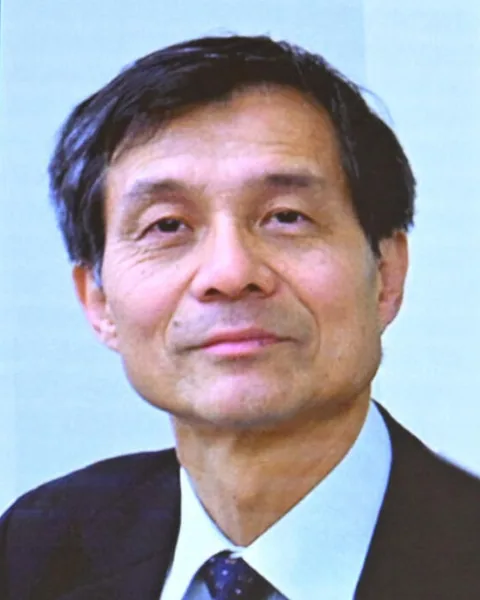
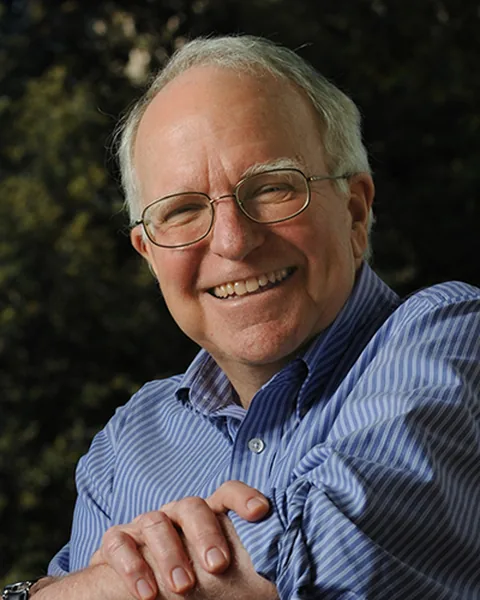
Francis Halzen
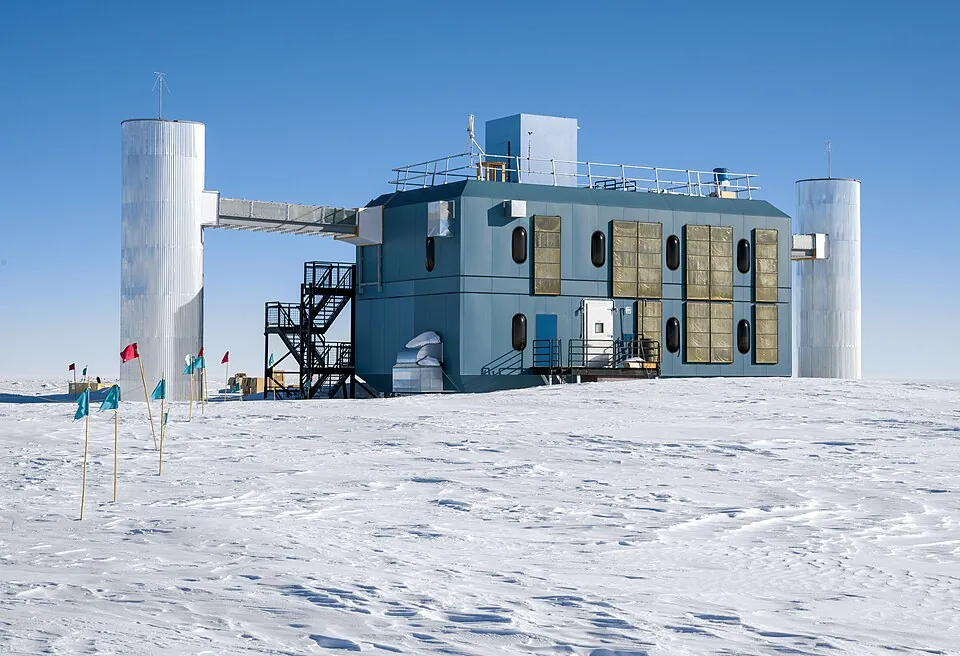
“for decisive contributions to the IceCube Neutrino Observatory and the discovery of high-energy neutrinos of astrophysical origin”
- Born
- Tienen, Belgium, 1944
- Age at award
- 82
- Affiliation at award
- University of Wisconsin–Madison
Key work
“Evidence for high-energy extraterrestrial neutrinos at the IceCube detector,” Science, 2013
Sources1nobelprize.org
Career
- 1969PhD, Catholic University of Leuven. Thesis written in Dutch, on broken symmetries of hadrons
- 1969–71Scientific associate at CERN
- 1972Assistant professor, UW–Madison. Full professor by 1977
- 1987Starts work on AMANDA, the precursor to IceCube
- 1988With a colleague, proposes using deep Antarctic ice as a neutrino detector
- 2001Principal investigator of the IceCube Neutrino Observatory
- 2013IceCube reports the first evidence of high-energy neutrinos from beyond the solar system
- 2026IceCube upgraded with new sensors deep in the ice, in January
Lesser-known facts
- Won the physics prize alone this year.
- First heard of Russian scientists trying to detect neutrinos in Antarctica with radio antennas.
- Goes to the South Pole mostly from November to February, the less cold months.
- Calls himself a theoretician working where particle physics, astrophysics and cosmology meet.
Mentors and collaborators
- Textbook co-author
- Alan Martin, Quarks and Leptons (1984)
- Former mentee
- Markus Ahlers, now at the Niels Bohr Institute