
Physiology or Medicine · Oct 5, 2026
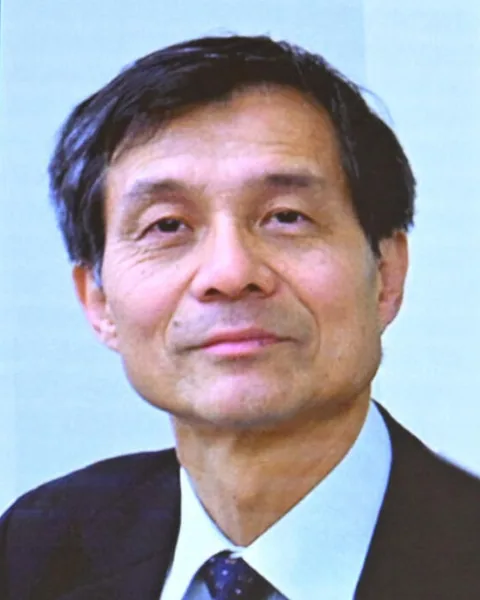
Peter Hegemann
“for their discoveries concerning light-gated ion channels and optogenetics”
- Born
- Münster, Germany, 1954
- Age at award
- 71
- Affiliation at award
- Humboldt University of Berlin
Key work
“Channelrhodopsin-2, a directly light-gated cation-selective membrane channel,” PNAS, 2003
Sources1nobelprize.org
Career
- 1975Starts chemistry at Münster, then moves to LMU Munich for biochemistry
- 1984PhD at the Max Planck Institute of Biochemistry, in Dieter Oesterhelt's group
- 1985Postdoc at Syracuse University in Kenneth Foster's lab
- 1986–93Leads a research group at the Max Planck Institute in Martinsried
- 1993Professor of biochemistry, University of Regensburg
- 2003With Nagel and Bamberg, publishes channelrhodopsin-2 as a light-gated channel (PNAS)
- 2004Moves to Humboldt University of Berlin to head Experimental Biophysics
- 2015Hertie Senior Research Chair for Neurosciences
Lesser-known facts
- Born in Münster but grew up in Aachen.
- Comes from a family of doctors: his parents, his brother and both grandfathers.
- Disliked his classics-focused secondary school. As a boy he wanted to explore new territory, then outer space.
- Spent decades on how algae sense light, long before anyone saw a link to neuroscience.
Mentors and collaborators
- Doctoral advisor
- Dieter Oesterhelt
- Postdoc mentor
- Kenneth W. Foster
- Key collaborator
- Georg Nagel, co-discoverer of channelrhodopsin