Chemistry · Oct 7, 2026
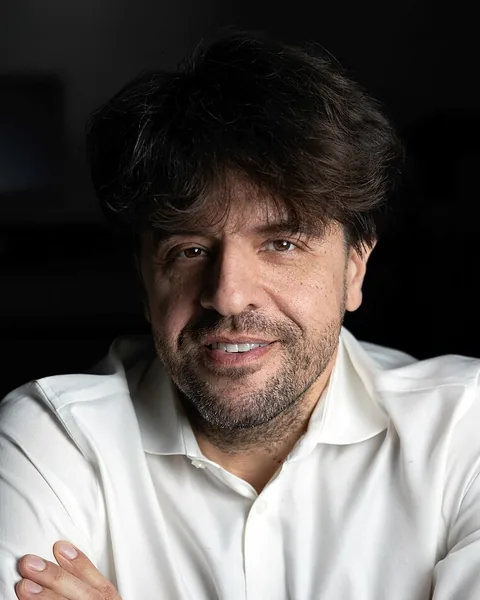
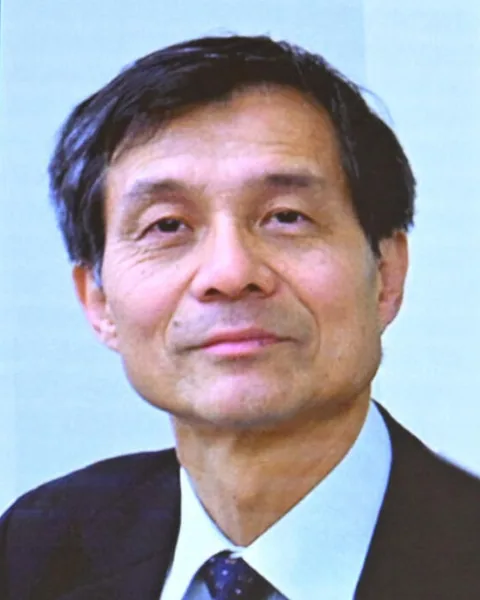
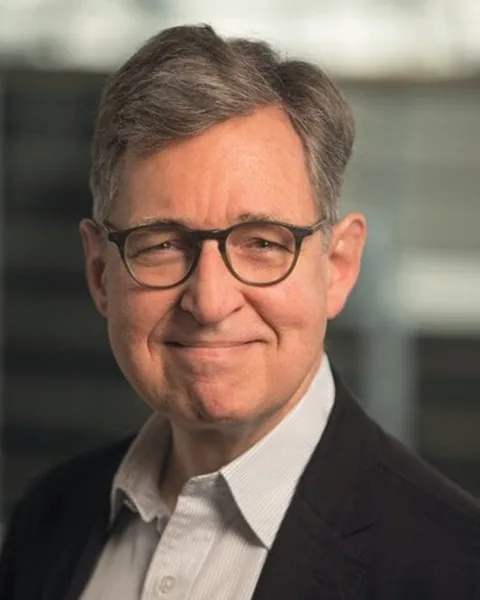
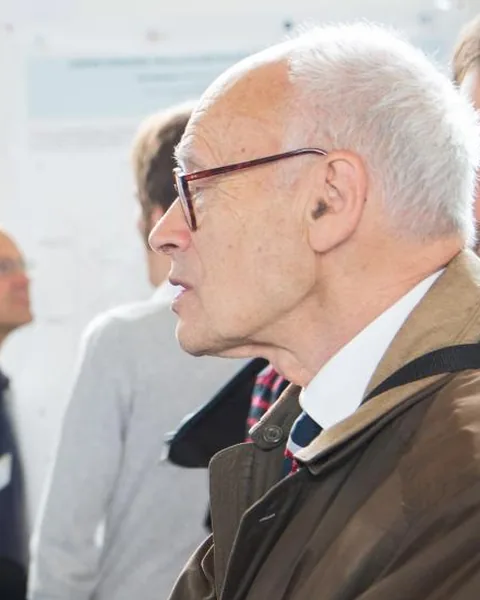
Henri B. Kagan
“for the discovery of non-linear effects and autocatalysis in asymmetric organic synthesis”
- Born
- Boulogne-Billancourt, France, 1930
- Age at award
- 95
- Affiliation at award
- Université Paris-Sud, Orsay
Key work
“Nonlinear effects in asymmetric synthesis,” Journal of the American Chemical Society, 1986
Sources1nobelprize.org
Career
- 1954Graduates from the École nationale supérieure de chimie de Paris, after the Sorbonne
- 1960PhD under Jean Jacques at the Collège de France, on steroid chemistry and stereochemistry
- ThenResearch associate with Alain Horeau
- 1968Sets up his lab at Orsay. Stays at Paris-Sud for nearly four decades
- 1986Finds a way to get more of one mirror-image molecule than anyone thought possible
- 1999Becomes emeritus professor
- 2001Wolf Prize in Chemistry, with Ryōji Noyori and K. Barry Sharpless
Lesser-known facts
- Born to a Jewish family that survived World War II hiding in a village in southern France under assumed names.
- The oldest laureate of 2026, at 95.
- Still active as a visiting lecturer, author and mentor to young chemists.
- His discoveries have had a far-reaching impact on the pharmaceutical industry.
Mentors and collaborators
- Doctoral advisor
- Jean Jacques
- Early mentor
- Alain Horeau
- Co-laureate
- Kenso Soai, who took the next step after Kagan's 1986 discovery
Earlier honors
Wolf Prize (2001), Tetrahedron Prize, Prelog Medal, Bower Award (2005), French Academy of Sciences, Chevalier of the Légion d'honneur